
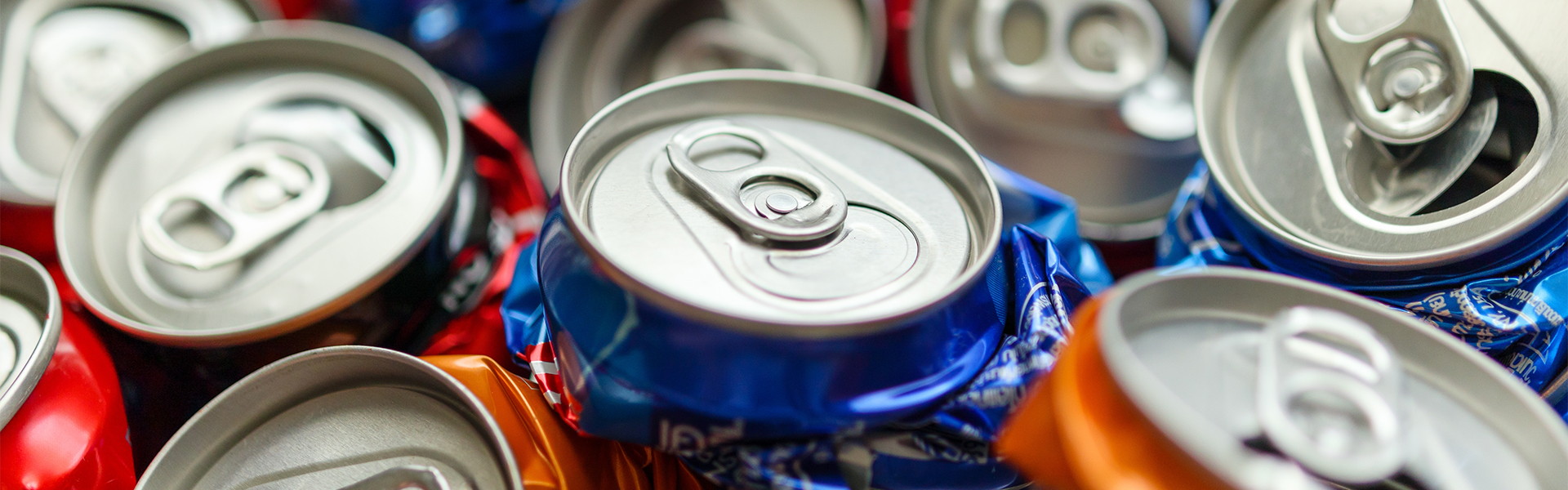
Aluminium continues to demonstrate structural advantages in the transition to a circular economy, as global aluminium beverage can recycling reached 75% in 2023, according to data announced by the International Aluminium Institute (IAI) at the end of year 2025. The milestone positions aluminium as the most recycled single-use beverage container globally, outperforming alternative packaging materials such as PET and glass.
The findings are based on a comprehensive global study commissioned by the Global Beverage Can Circularity Alliance and conducted by Eunomia Research & Consulting, covering 35 countries and regions that together represent the majority of global aluminium, PET and glass markets. The study highlights aluminium’s consistently high recycling performance across both advanced and emerging waste-management systems, underlining the metal’s inherent value of retention and circularity potential.
For Elval, these developments reinforce a favourable structural backdrop. Aluminium’s ability to be recycled indefinitely without loss of properties supports rising demand for secondary material, particularly as regulators, brand owners and consumers increasingly prioritise low-carbon and circular solutions.
Panagiotis Tserolas, Elval’s sustainability Senior Manager commented: “Global recycling rates can be viewed as a powerful indicator of avoided carbon emissions. Every ton of UBC that is recovered and reintroduced into the production loop—rather than sent to landfill—represents substantial energy savings and a measurable reduction in CO₂ emissions. The opportunity ahead remains considerable. Unlocking higher recycling rates is not only vital for the canmaking industry but also for the broader transformation of our production and consumption model toward a truly circular future”. The study shows that aluminium achieved a global recycling rate of 75%, compared to 47% for PET and 42% for glass, while certain regions recorded recycling rates exceeding 94%. Importantly, aluminium performed strongly even in regions with less developed waste-management infrastructure, highlighting its economic value and recyclability as decisive drivers of collection and recovery.
The data supports the investment case for integrated aluminium producers with strong recycling capabilities and access to secondary material streams. As recycling targets tighten — with the Global Beverage Can Circularity Alliance aiming for 80% recycling by 2030 and near-100% by 2050 — demand for advanced recycling capacity and rolling capabilities is expected to strengthen.
ElvalHalcor’s aluminium rolling division has consistently invested in advanced recycling, process optimisation and energy efficiency, enabling increased use of secondary aluminium across a broad product portfolio serving the most contemporary market applications. These capabilities position the Company to benefit from accelerating circularity trends while supporting customers’ decarbonisation and sustainability objectives.
More specifically, the investment strategy of Elval has already delivered tangible results, leading to a threefold—and in some cases even greater—increase in recycled content metrics across its portfolio, with particular emphasis on canstock. This progress demonstrates how targeted investments in recycling infrastructure, advanced production technologies, and closed-loop systems can significantly reduce environmental impact while enhancing material efficiency.
Overall, the global recycling milestone of 75% underscores aluminium’s strategic relevance in a circular future and reinforces ElvalHalcor’s positioning at the intersection of sustainability, industrial performance and long-term value creation.